
The digital landscape is evolving rapidly, and our online identities have become as significant as our physical ones. In an era where data breaches, privacy violations, and unauthorized access to personal information have become commonplace, taking control of your digital identity is no longer optional—it’s essential.

We live in a world where every click, search, and interaction leaves a digital footprint. Your online identity encompasses everything from social media profiles and email accounts to financial records and health information. Understanding how to manage, protect, and empower this digital self is crucial for navigating the modern internet with confidence and security.
🔐 Understanding Your Digital Identity in the Modern Age
Your digital identity is the sum of all information about you that exists online. It includes data you consciously share, such as social media posts and profile pictures, as well as data collected without your explicit awareness, like browsing habits, location data, and purchasing patterns. This complex web of information forms a digital representation of who you are, often revealing more about your preferences, behaviors, and lifestyle than you might realize.
The challenge lies in the fact that this identity is fragmented across countless platforms, services, and databases. Each website you visit, each app you download, and each online transaction you complete adds another piece to your digital puzzle. Without proper management and control, this fragmentation can lead to vulnerabilities, inconsistencies, and ultimately, a loss of autonomy over your personal information.
The Current State of Digital Identity Management
Most internet users today operate with dozens, if not hundreds, of different accounts across various platforms. Each requires separate credentials, has different privacy policies, and stores varying amounts of personal data. This scattered approach to digital identity creates several problems: password fatigue, security vulnerabilities through weak or reused passwords, difficulty tracking who has access to what information, and limited control over how that data is used or shared.
Traditional identity management systems have relied heavily on centralized authorities—whether government agencies, tech companies, or financial institutions—to verify and validate who we are online. While these systems have served a purpose, they also create single points of failure and concentrate immense power in the hands of a few organizations.
🚀 The Rise of Self-Sovereign Identity
The future of online identity autonomy lies in the concept of self-sovereign identity (SSI). This revolutionary approach places individuals at the center of their digital identity ecosystem, giving them complete ownership and control over their personal information. Rather than relying on centralized authorities to store and manage identity data, SSI enables individuals to hold their credentials securely and share only what’s necessary, when necessary, and with whom they choose.
Self-sovereign identity is built on three foundational principles: user control, whereby individuals decide what information to share and with whom; portability, allowing users to take their identity across platforms without being locked into specific services; and privacy by design, ensuring that minimal personal data is exposed during verification processes.
Blockchain and Decentralized Identity Solutions
Blockchain technology has emerged as a powerful enabler of self-sovereign identity. By creating immutable, distributed records of identity credentials, blockchain eliminates the need for centralized authorities while maintaining trust and verification capabilities. Decentralized identifiers (DIDs) and verifiable credentials represent technical standards that make this vision practical and scalable.
These technologies allow you to prove aspects of your identity—such as age, citizenship, or professional qualifications—without revealing unnecessary personal details. For example, you could verify you’re over 21 to access age-restricted content without disclosing your exact birthdate or other identifying information. This selective disclosure capability represents a fundamental shift in how we approach digital identity verification.
💪 Taking Control: Practical Steps for Digital Autonomy
Empowering your digital self begins with concrete actions you can take today. Understanding the tools and strategies available for protecting and managing your online identity is the first step toward genuine autonomy in the digital realm.
Audit Your Digital Footprint
Start by conducting a comprehensive audit of your online presence. Search for your name, email addresses, and phone numbers across multiple search engines. Check what information appears, which websites host your data, and what old accounts you may have forgotten. Many people are surprised to discover the extent of their digital footprint and the amount of personal information readily accessible online.
Use this audit to identify accounts you no longer use or need. Deleting obsolete accounts reduces your attack surface and limits the number of places where your personal data sits vulnerable to breaches. For accounts you must keep, review and update privacy settings, ensuring they align with your current preferences and risk tolerance.
Implement Strong Authentication Practices
Password security remains one of the most critical aspects of digital identity protection. Despite widespread awareness of security best practices, weak passwords and password reuse continue to be major vulnerabilities. Implementing a password manager is essential for maintaining unique, complex passwords across all your accounts without the cognitive burden of remembering them all.
Beyond passwords, enable multi-factor authentication (MFA) wherever possible. MFA adds an additional layer of security by requiring a second form of verification—such as a code sent to your phone, a biometric scan, or a hardware security key—before granting access. This simple step dramatically reduces the risk of unauthorized access, even if your password is compromised.
🛡️ Privacy-Enhanced Technologies and Tools
A growing ecosystem of tools and technologies exists to help you reclaim control over your digital identity. These solutions prioritize privacy, security, and user autonomy, offering alternatives to traditional services that monetize your personal data.
Encrypted Communication Platforms
Private communication is fundamental to digital autonomy. End-to-end encrypted messaging applications ensure that only you and your intended recipients can read your messages, preventing surveillance by service providers, hackers, or government entities. Unlike traditional messaging services where providers can access message content, encrypted platforms are designed so that even the service operator cannot decrypt your communications.
Similarly, encrypted email services offer protection for your written correspondence, while virtual private networks (VPNs) shield your browsing activity from internet service providers and potential eavesdroppers. These tools create layers of protection around your digital communications, preserving privacy in an increasingly surveilled online environment.
Privacy-Focused Browsers and Search Engines
Your web browser is the gateway to the internet, and the choices you make here significantly impact your digital privacy. Privacy-focused browsers block trackers by default, prevent fingerprinting techniques that identify you across websites, and don’t collect browsing data to sell to advertisers. Combined with search engines that don’t track your queries or build profiles based on your search history, these tools offer a more private browsing experience without sacrificing functionality.
📱 Mobile Identity Management
Smartphones have become the primary computing device for billions of people worldwide, making mobile identity management increasingly important. Your phone contains vast amounts of personal information, from photos and messages to financial data and location history. Securing this device and the apps it runs is crucial for maintaining control over your digital identity.
App Permissions and Data Minimization
Mobile applications often request far more permissions than necessary for their core functionality. A flashlight app doesn’t need access to your contacts, yet many apps request broad permissions that enable extensive data collection. Regularly review app permissions on your device and revoke access that isn’t essential. Modern operating systems offer increasingly granular permission controls, allowing you to grant temporary or limited access rather than blanket authorization.
Practice data minimization by being selective about which apps you install and what information you provide them. Consider whether you truly need an app or if a web-based version would suffice, as web applications typically have more limited access to device data and sensors.
🌐 The Role of Digital Identity in Web3
The emerging Web3 ecosystem promises a fundamentally different approach to online interaction, with digital identity as a cornerstone. Unlike Web2, where platforms own user data and identities, Web3 envisions a decentralized internet where users control their data and identity credentials, taking them across platforms and services seamlessly.
In this paradigm, your digital wallet becomes your identity hub, holding verifiable credentials, access tokens, and proof of ownership for digital assets. Rather than creating separate accounts for each service, you connect your wallet to authenticate, bringing your reputation, credentials, and preferences with you. This portable identity reduces friction while increasing user control and data portability.
Smart Contracts and Automated Identity Verification
Smart contracts enable automated verification and access control based on identity credentials without requiring intermediaries. For instance, proving eligibility for a service, accessing exclusive content, or participating in community governance can happen automatically when your identity meets specified criteria, all without sharing unnecessary personal information or relying on centralized verification services.
⚖️ Legal Frameworks and Digital Rights
Understanding your legal rights regarding digital identity is essential for effective self-advocacy. Privacy regulations like the General Data Protection Regulation (GDPR) in Europe and the California Consumer Privacy Act (CCPA) in the United States establish important protections for personal data, including the right to access, correct, and delete information companies hold about you.
These frameworks recognize that individuals should have meaningful control over their personal information, including transparency about how data is collected and used, the ability to consent or object to processing, and recourse when rights are violated. Familiarizing yourself with these rights and exercising them when appropriate sends a signal to companies and policymakers that digital autonomy matters to consumers.
Advocating for Stronger Protections
Beyond individual actions, collective advocacy plays a crucial role in shaping the future of digital identity. Supporting organizations that fight for digital rights, participating in public consultations on privacy regulations, and choosing to do business with companies that respect user autonomy all contribute to a digital ecosystem that values individual control over personal information.
🎯 Building Your Digital Identity Strategy
Developing a comprehensive strategy for managing your digital identity ensures consistency and protection across all aspects of your online life. This strategy should address immediate security concerns while positioning you to take advantage of emerging technologies that enhance autonomy and control.
Define Your Privacy Boundaries
Not everyone needs or wants the same level of privacy. Your personal circumstances, professional requirements, and risk tolerance should inform your approach to digital identity management. Consider what information you’re comfortable sharing publicly, what should remain private, and what requires the highest levels of protection. These boundaries will guide decisions about which platforms to use, what data to provide, and how to configure privacy settings.
Document your privacy preferences and review them regularly as your circumstances change. What made sense when you were a student might need adjustment when you start a business or begin a family. Your digital identity strategy should evolve with your life, ensuring continued alignment with your values and needs.
Create Separate Identity Contexts
Consider maintaining distinct identity contexts for different aspects of your life—personal, professional, activist, or creative pursuits. This compartmentalization limits the correlation of activities across contexts and provides flexibility in how you present yourself in different spheres. You might use separate email addresses, social media accounts, or even devices for different contexts, preventing unintended bleed-over between your various roles and interests.
🔮 The Future of Digital Identity Autonomy
Looking ahead, several trends will shape the evolution of digital identity and our ability to control it. Artificial intelligence will play an increasingly important role in both threats to and protection of digital identity. While AI enables sophisticated impersonation and deepfakes that challenge traditional identity verification, it also powers advanced authentication systems and anomaly detection that protect against unauthorized access.
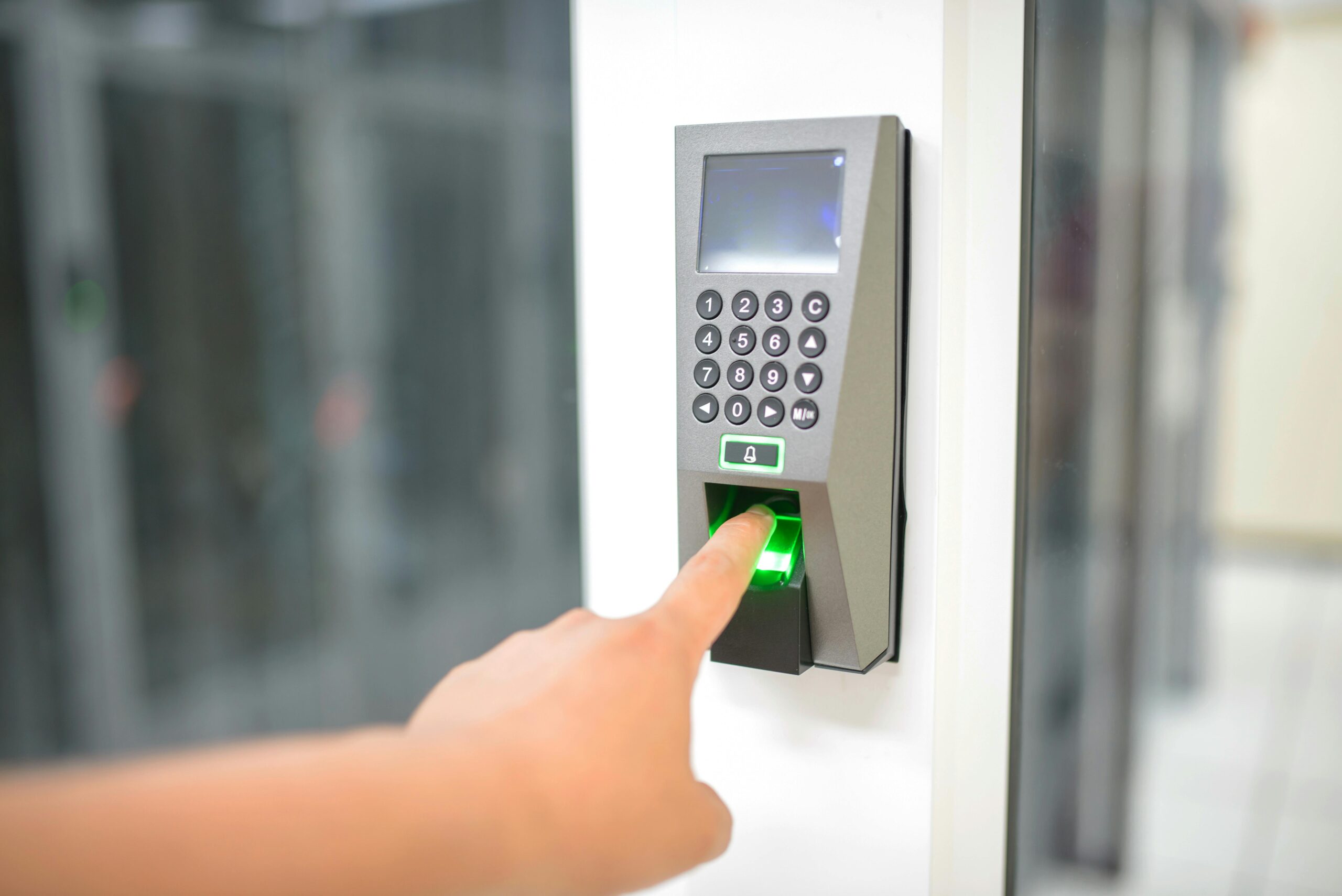
Biometric authentication will become more prevalent and sophisticated, moving beyond simple fingerprints and facial recognition to behavioral biometrics that verify identity based on how you type, move, or interact with devices. These technologies promise enhanced security but also raise important questions about privacy, consent, and the permanence of biometric data.
Interoperable Identity Systems
The future will likely see greater interoperability between identity systems, allowing credentials issued by one authority to be verified across different platforms and jurisdictions. This interoperability promises convenience and portability but must be balanced against privacy concerns and the risk of creating comprehensive surveillance systems. Technical standards and governance frameworks that prioritize user control will be essential to realizing the benefits while mitigating the risks.
🌟 Embracing Digital Empowerment
Empowering your digital self is an ongoing journey, not a destination. Technology continues to evolve, new threats emerge, and our understanding of privacy and autonomy deepens with experience. The key is to remain informed, proactive, and intentional about how you manage your online identity.
Start with small, manageable steps: audit your digital presence, strengthen your passwords, enable two-factor authentication, and review app permissions. As you become more comfortable with these basics, explore more advanced tools and concepts like encrypted communications, privacy-focused browsers, and self-sovereign identity solutions.
Remember that digital autonomy isn’t about achieving perfect privacy or complete anonymity—for most people, that’s neither practical nor desirable. Instead, it’s about having meaningful choice and control over your personal information, understanding the trade-offs you’re making, and ensuring those choices align with your values and priorities.
The future of online identity is not predetermined. Through our individual choices and collective advocacy, we shape whether that future empowers individuals or concentrates control in the hands of corporations and governments. By taking ownership of your digital identity today, you’re not just protecting yourself—you’re contributing to a vision of the internet that respects human dignity, privacy, and autonomy.
Your digital self is an extension of who you are, and it deserves the same care, protection, and autonomy as your physical self. The tools, technologies, and knowledge to achieve this exist today and continue to improve. The question is not whether you can empower your digital identity, but whether you will take the steps necessary to make that empowerment a reality. The time to act is now, and the power to shape your digital future rests in your hands.